Geothermal Culture of Iceland
A large part of the quality of life in Iceland can certainly be attributed to the country's natural resources and how we have managed to utilize them.
Perhaps one key part of our culture is often hidden from view: the geothermal culture. Many know that geothermal energy provides us with both heat and electricity. Not as many are aware of how indispensable this resource is for daily life in this country and how big a part it plays in the history of Icelandic culture.
100 years ago, Icelanders were just beginning to use geothermal energy efficiently on a larger scale. Today, it is easy to take cheap electricity and inexpensive home heating for granted. It is also easy to forget that access to heated outdoor swimming pools and hot tubs, fresh domestic vegetables and fruits, and a seemingly endless supply of hot water in our homes cannot be taken for granted.
Here you can read more about geothermal energy.
Here are some fun facts about Iceland's geothermal culture.
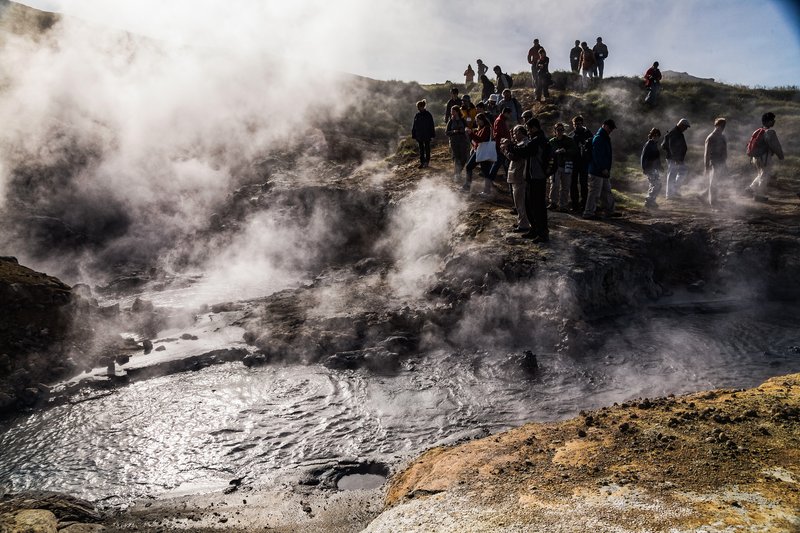
Geothermal energy for space heating
In the 20th century, there was a leap in the utilization of geothermal energy when a technological revolution occurred and district heating and electricity entered the scene. This marked the beginning of using geothermal heat in the way that has the greatest impact on our lives today: for space heating.
The first district heating system in Iceland was built by Hitaveita Reykjavíkur (Reykjavík Energy) in 1930, and the first geothermal power plant was then built in 1969. Orka náttúrunnar's (ON Power) geothermal power plants at Nesjavellir and Hellisheiði were built to meet the growing demand for hot water in the community.
The hot water we use today comes from both low-temperature areas and geothermal power plants in high-temperature areas.
Low-temperature water is pumped from boreholes into tanks, from where it flows to our houses through piping systems, while the hot water from high-temperature areas is actually heated groundwater.
The Hellisheiði Power Station is an example of a power plant in a high-temperature geothermal area. The water from there is heated groundwater which is then sent to the capital region for domestic heating. You could say that the water is actually used to transport the Earth's heat into our homes.
Geothermal energy allows us to use hot water at home whenever we want. We can take long hot showers, live in a cozy and warm house, walk and drive on heated streets and sidewalks, all for a relatively low cost because of how we utilize geothermal energy. Iceland has developed rapidly, and we should be grateful for the quality of life that has increased dramatically over the last 100 years.
Here you can read more about Orka náttúrunnar's geothermal power plants.
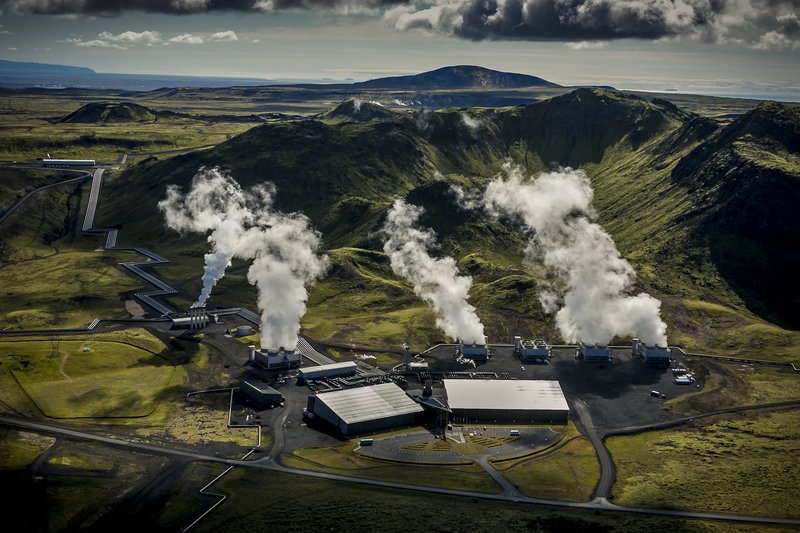
When the weather gets colder, we use more
Currently, about 30% of our electricity and 90% of our residential heating comes from geothermal areas. Many of us also encounter geothermal energy in various other ways every day. When you meet your friends at the swimming pool, buy Icelandic flowers or vegetables grown in greenhouses, or put a load in the washing machine, you are actually coming into contact with geothermal energy.
It is thanks to geothermal areas and the utilization of geothermal energy that we can enjoy being inside a warm home, take a hot shower, and dive into a steaming outdoor swimming pool all year round. In addition, there are now plenty of lights to illuminate the winter darkness. Nowadays, you can also find snow-melting systems in many places, where pipes with hot water run under sidewalks and streets, melting snow and ice.
It's normal for hot water consumption to increase when it gets colder and the sun doesn't provide as much warmth. However, we can all be mindful and look for ways to conserve at home.
We can all contribute to the sustainable use of resources and protect the quality of life that hot water brings us. Let's be mindful and save in the process.
Here is some good advice on how to take good care of our hot water.